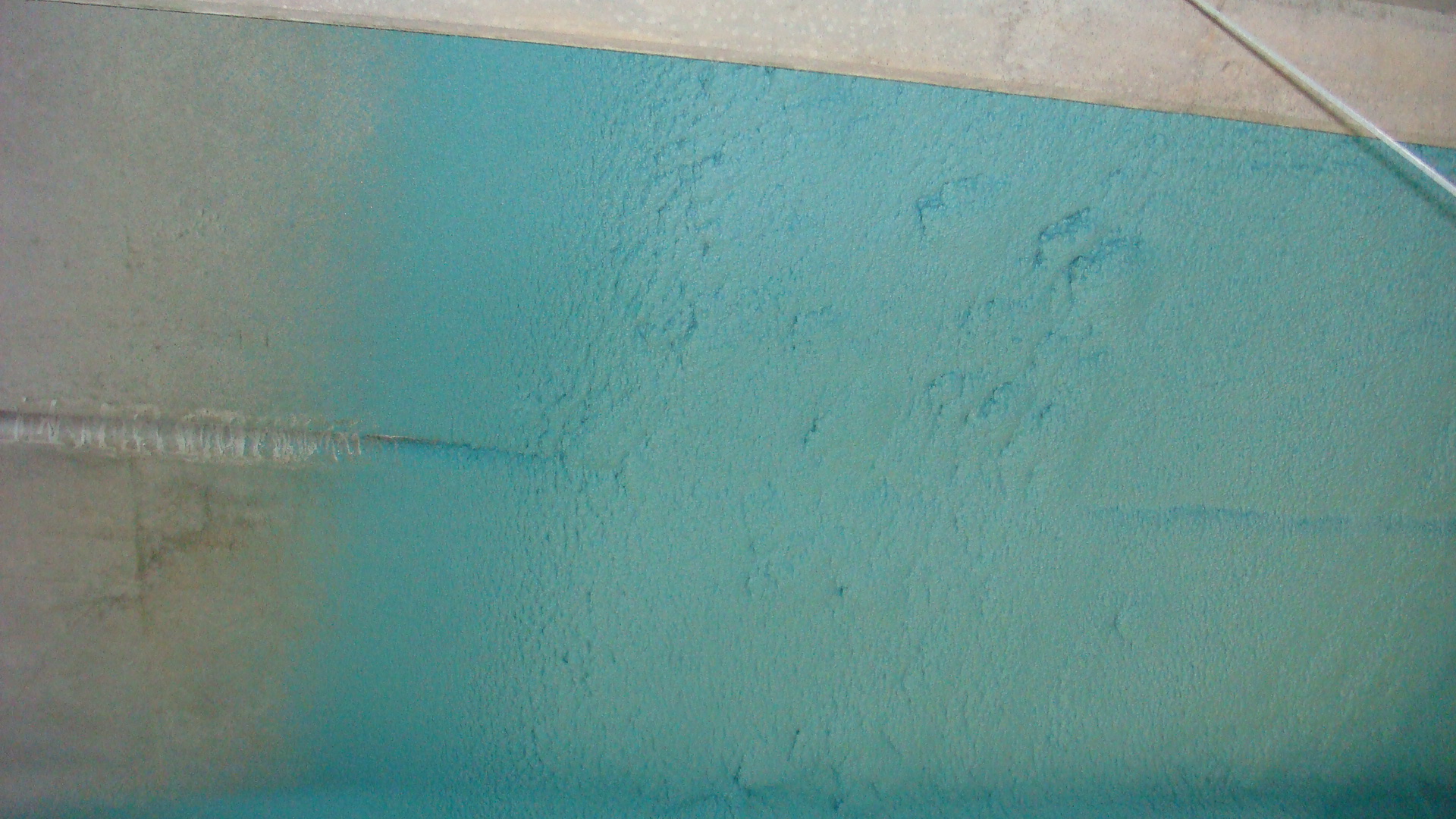
Applications
Start from the job, end at the line item.
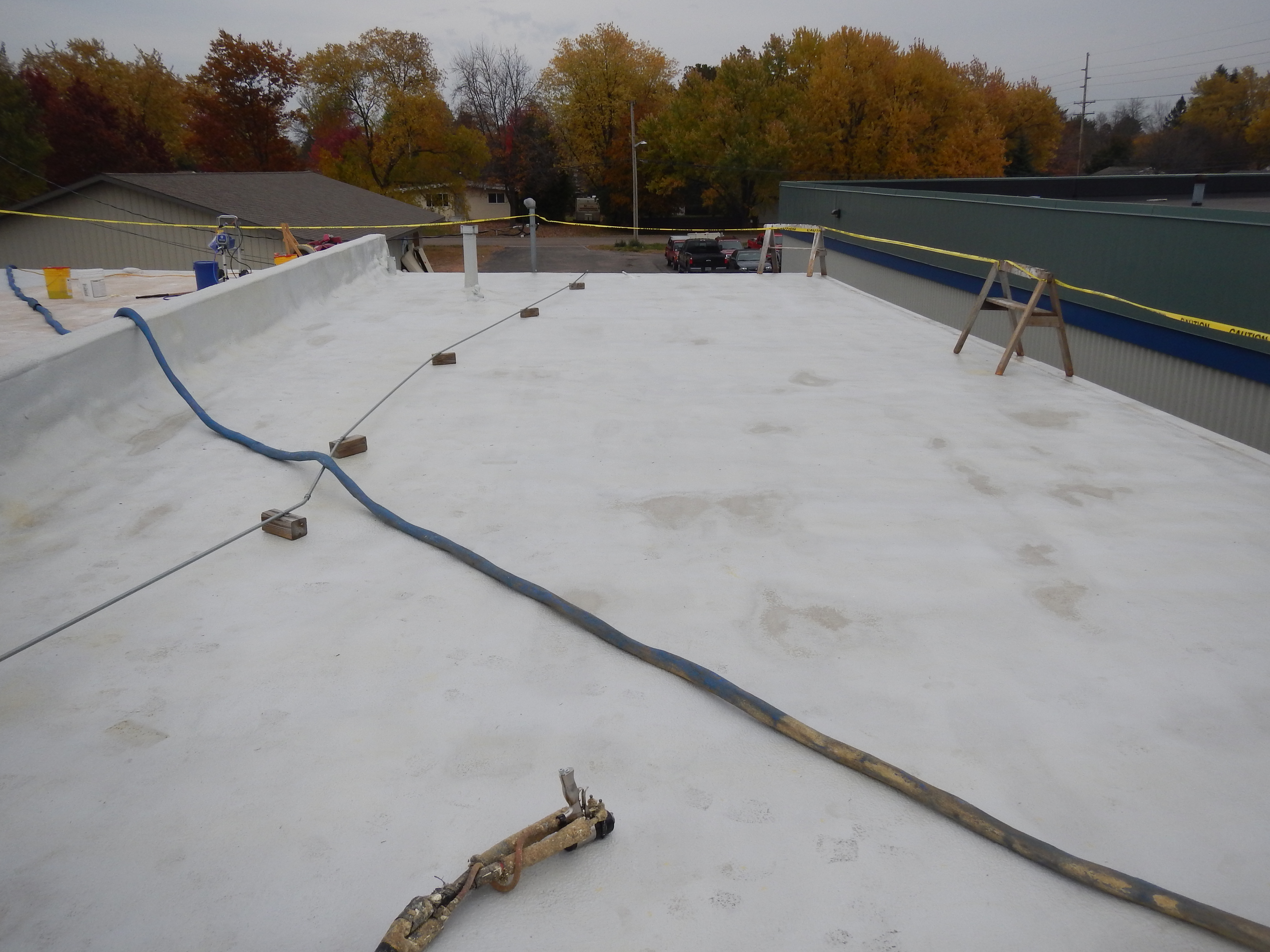
Roof Restoration Over Existing Membrane
The most common commercial roofing job in the catalog, and the one where the product combination matters most. An aging TPO or EPDM roof is watertight in the field and failing at the seams. A tear-off is a capital expense; a restoration is a maintenance expense. That distinction decides whether the work happens at all.
7001 Primer is what makes restoration possible — it bonds to single-ply membranes that polyurea would otherwise not adhere to, and it sets fast enough to prime and coat in one mobilization.
Line items: Super Orange Cleaner for surface contamination · 7001 Primer over the full field · OR-80SLM at 40–60 mil DFT, carried up all curbs and terminations.
Decorative & Industrial Floor Systems
The floor sub-line covers the whole range from a residential garage with a flake finish to a warehouse aisle taking forklift traffic. What changes between them is the topcoat selection and the broadcast, not the underlying approach.
Where the slab is compromised — spalled control joints, popouts, cracks from settling — Concrete Mender goes in first. Coating over unrepaired concrete is how a beautiful floor becomes a callback in the second winter.
Line items: diamond grind or shot blast to CSP 3–5 · Concrete Mender on defects · OR-621 basecoat · flake or quartz broadcast (optional) · OR-55 or OR-75DCL topcoat.
Insulation & Condensation Control
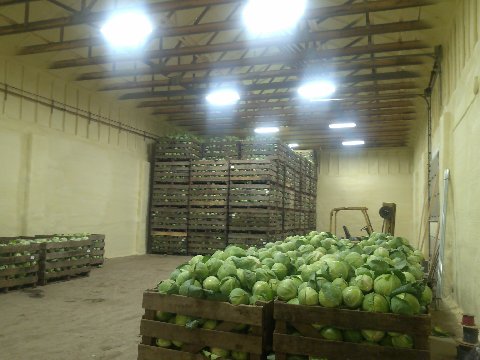
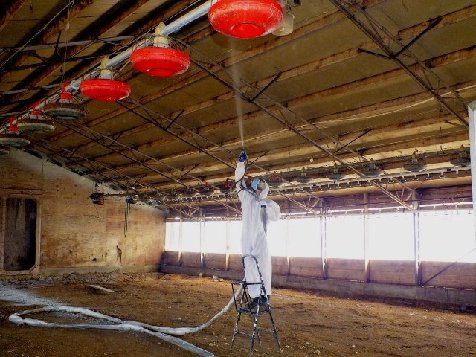
Foam sells on energy savings in residential and on condensation control in agricultural and industrial buildings. The second argument is usually the stronger one: a metal building that sweats is ruining product, rusting fasteners, and rotting purlins whether or not anyone is looking at the utility bill.
Closed-cell foam on the underside of a metal deck eliminates the cold surface that condensation forms on. There is no dew point to reach because there is no exposed cold steel.
Line items: closed-cell foam at 2–3" for walls and roofline · open-cell where cavity fill and sound are the goal · roofing-grade foam at 1–1.5" where the assembly is being coated on top.
Fleet, Trailers & Equipment
Fleet work is repeat business with short cycle times. Bedliners, trailer decks, spreader beds, dump bodies, and underbody protection all come out of the protective group, and the units go back in service the same shift.
The reason polyurea holds up here where a hard coating does not: 300–400% elongation. The steel flexes under load and the membrane flexes with it instead of cracking at the welds.
Line items: Super Orange Cleaner · FJ1 at 60–80 mil on bed floor and walls · OR93BL at 30–40 mil on frame and underbody · Flak Jacket Pro at 80–120 mil where aggregate is being hauled.
Water, Containment & Below Grade
Anywhere water has to stay on one side of a surface, the catalog has a seamless answer. Secondary containment, tank linings, water features, planters, pool decks, balconies, and below-grade foundation walls all get the same fundamental treatment: a monolithic membrane with no joints.
Below grade in particular is unforgiving — you cannot inspect it and you cannot repair it without excavating. Badger Black is formulated for exactly that service.
Line items: OR7K at 60–80 mil for containment and water-contact surfaces · Badger Black at 40–60 mil below grade, carried up to the grade line · 7001 Primer on concrete before either.
Additional Applications Covered by the Catalog
- RV and camper roofs — Alasta Seal, full deck with wrapped penetrations
- Pole barns and metal garages — foam inside, OR-80SLM outside, floor system underfoot
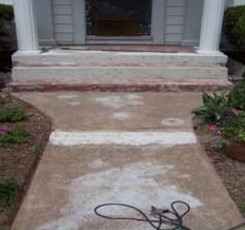
- Loading docks, ramps, and steps — Concrete Mender repair plus coating
- Structural steel maintenance — OR93BL over SP3 power-tool prep on tight rust
- Conveyors and material handling — Flak Jacket Pro on contact, OR93BL on frame
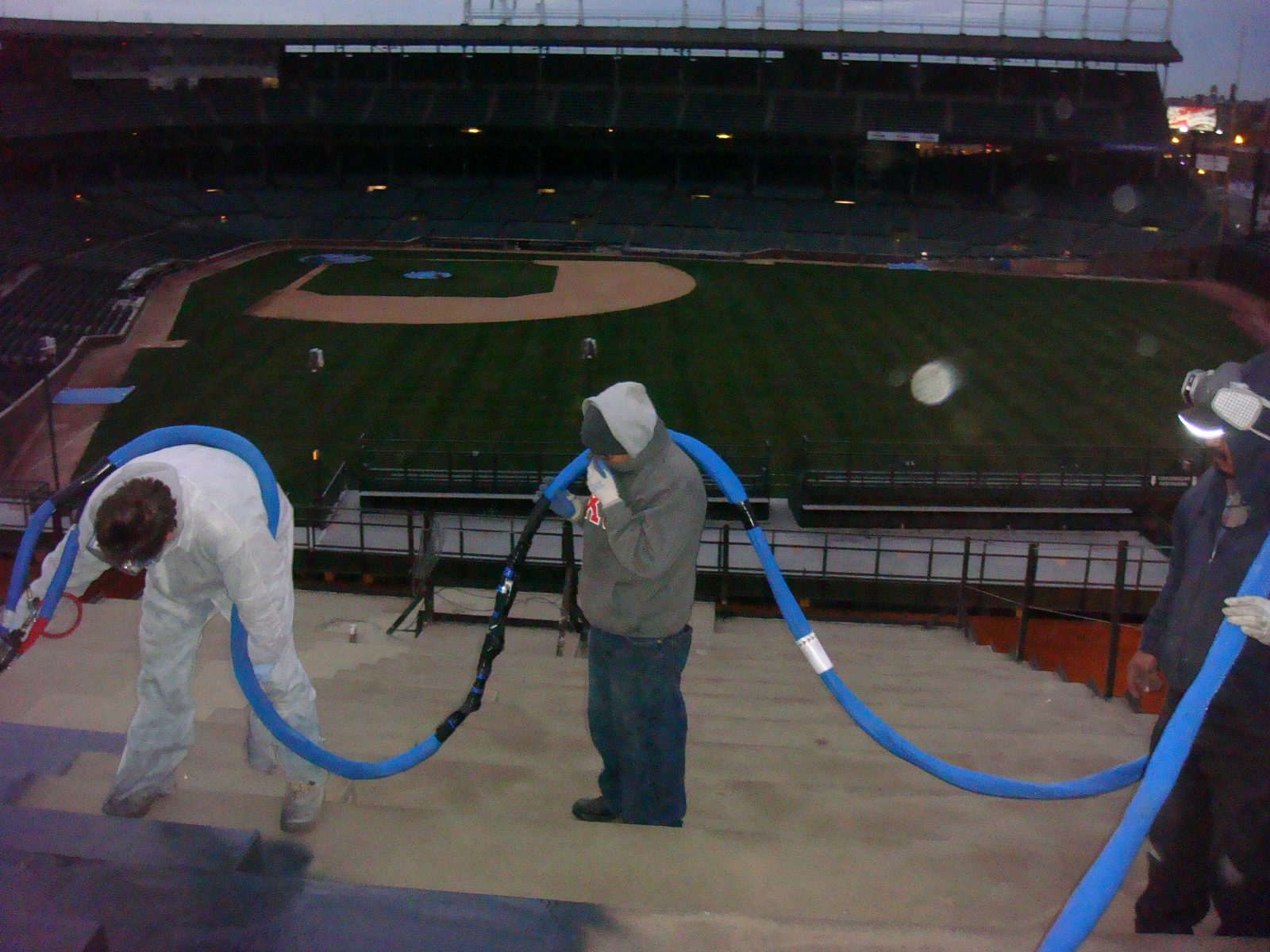
- Balconies, walkways, and stadium decks — OR7K with non-slip broadcast
- Marine hardware, docks, and davits — chloride-verified prep, OR93BL
- Wood trailer decks and dock plates — 7001 Primer then FJ1
- Poultry, dairy, and swine facilities — wash-down-resistant seamless membrane
Describe the Job, Get the Line Items
Substrate, exposure, square footage. We will come back with the exact products, the build spec, and the material quantity.
Get a Spec & QuoteRequest the Full Catalog & Price List
Tell us about your project and we will follow up with product details, technical data sheets, and pricing.